Blog

Tongue Tie: Overview, Treatment and Procedure

All Tied Up?

Speech is a complex process involving the tongue, lips, teeth and vocal cords. Some types of speech problems can partly be caused by the tongue. It is often detected in young children just learning to speak, but it can sometimes be missed and carry on into adulthood as well. For some patients, the tongue cannot move normally and cannot even touch the roof of their mouth. The reason for the problem is due to restrictive muscle attachments.

There can be an attachment from the tip of the tongue to the floor of the mouth. Sometimes these muscle attachments can also connect from the lips to the gums that can restrict lip movements. Certain words, for example, “thirsty” or “thoughtful “cannot be pronounced properly. There may even be a lisp. In everyday terms, these conditions are referred to as “tongue-tie”. 
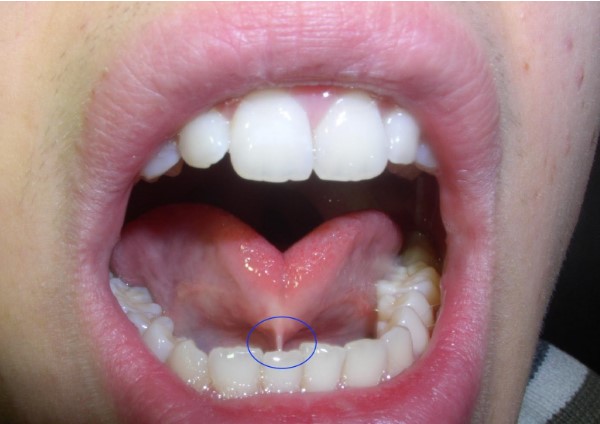
tongue tie

Fortunately, modern dentistry has a permanent remedy for this issue. The dentist can solve the problem by performing a minor surgical procedure to release these attachments that could also be done with a laser. The muscle attachment is partially or totally cut to allow free movement of the tongue. Speech will become much clearer and the words well-articulated. 

The procedure itself is carried out under local anesthetic and typically only takes a few minutes. The healing process after the procedure is also very rapid and provides instant relief to the patient’s symptoms. 

If you’re having concerns with your speech and suspect that you might be having a tongue-tie, make an appointment with the expert team at Acharya Dental to diagnose and resolve your problem today!

 

Blog

Chaat Masala on the Cheese!

When the Indian Dental Association collaborated with Switzerland based International Team for Implantology, you know something path breaking is about to happen.

What the Team from overseas could not imagine was the sheer numbers -1500 registered delegates to make the Meet one of its kind.

The overwhelmed Speakers were seen taking a panoramic selfie of their audience to “show the folks back home”. The ITI is a global association of professionals in Implant Dentistry. The ITI’s mission statement is to “serve the dental profession by providing a growing global network for lifelong learning in Implant dentistry through comprehensive quality education and innovative research to the benefit of the patient”.

The ITI Symposium was held in Mumbai at the expansive Hotel Sahara on the 5th October 2019. In an unique move, the far thinking visionary and president of the Indian Dental Association, Dr. Janak Raj Sabharwal along with Dr. Ashok Dhoble bridged the gap to bring on to the Indian stage a galaxy of luminaries renowned in the world of Dental Implants. The Speakers were spearheading the research and concepts in the practice of Implantology. Their Implant Division, Straumann, was just making their entry into the crowded dental Implant Market hopeful of breaking ground and positioning their product in the premium niche. Their USP ? Backed by sound research and unique design with a majority of the world share, Straumann is confident of success in their Indian venture.

The statistics speak for theirself. The realty that was clear was, indeed, Indians needed dental implants, trailing behind the US, China, Korea and many smaller countries in the uptake of dental implants. 

The ITI brings home a message. Learning and education are two different things. Learning is how to do it versus get educated on the logic or reasoning for why we do it. The subjects of the Symposium with Speakers such as Dr. Stephen Chen, Dr. Daniel Buser, Dr. Daniel Thoma and Dr. Christoph Hammerle were rich with new information laced with age old wisdom and many home truths.

All our patients want it done faster, easier and cheaper, but this may not always be possible. While Implant designs are being modified for immediate loading, experience and literature show us that all cases cannot be speeded up. A staged approach or delayed one, immediate loading – all these are choices that have to be weighed carefully by the educated and enlightened Implantologist on behalf of his patient for his good.

The Indian Dental Association lends its ‘desi’ flavor with all its spice and colour to make the event meaningful and fun. ‘Straumann” party was full of ‘Chaat Masala’!

And so it was that the guests from Switzerland who lent ‘cheese’ were given a taste of legendary Indian Hospitality. The Team from IDA that made it possible does indeed deserve a standing ovation. Thank you, Organizing Committee for a sterling meet and memorable event!

– Dr. Vijailakshmi Acharya

Blog

Painless Local Anaesthesia Technique – A Practice Builder

Administering local anaesthesia to a patient is a science and an art. The “science” lies in understanding the different types of anaesthetics available, their composition, their action, and their application. 

The “art” is to choose wisely and master the one procedure that precedes clinical dentistry which could make or break your practice.

How do patients judge the skills of their dentist? What gives them confidence? 

Their experience, how they feel and most often from the way they get an injection.

Equally, studies have shown that when a painful response to an injection is elicited, the dentist undergoes a great deal of stress. We have seen some of us break into a sweat!

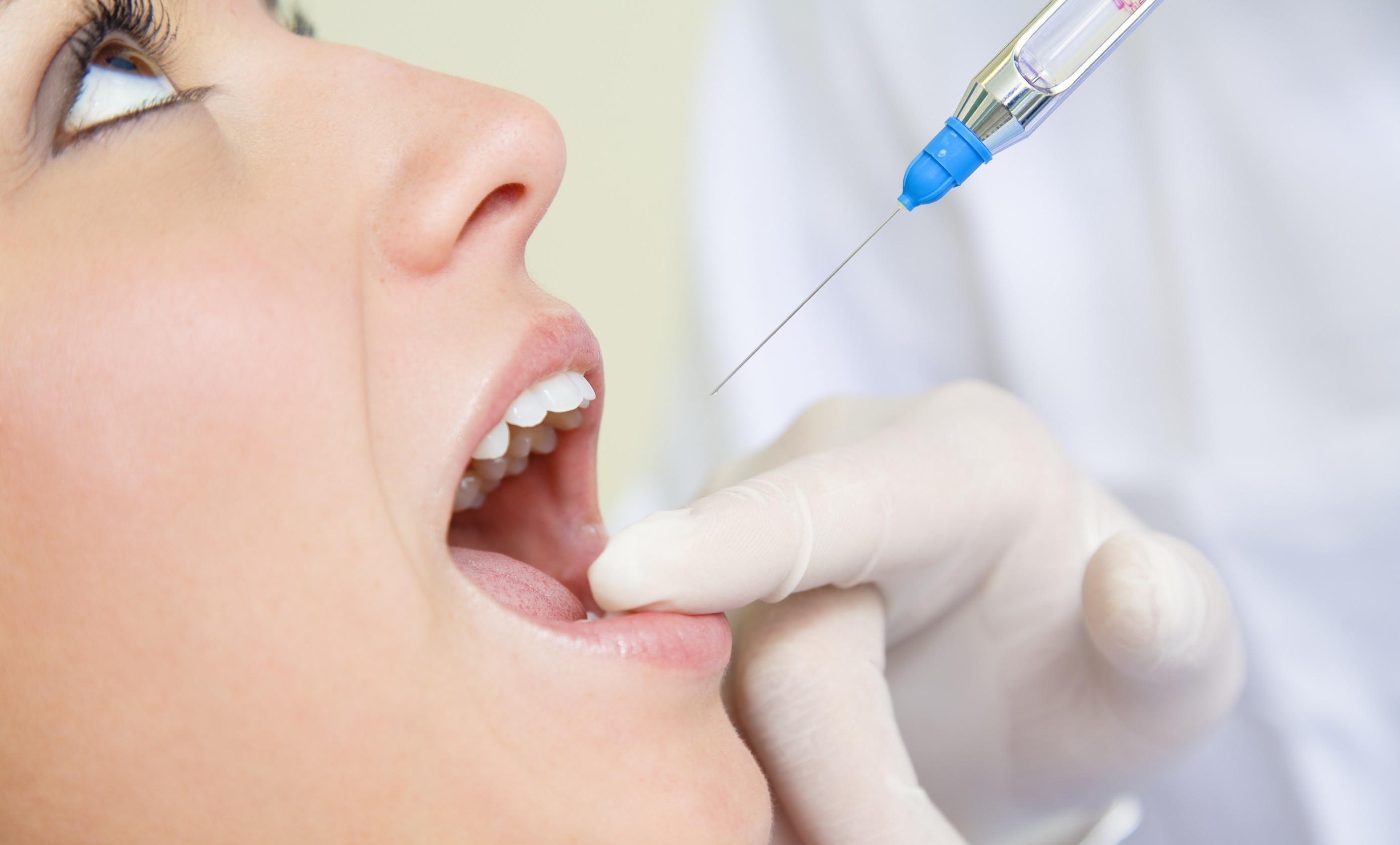
anaesthesia injection

What we need to know:

  1. Current products
  2. The physiology of pain
  3. Patient’s fears
  4. Proper selection and proven technique

80% of patients have a dread of the needle. It is advisable to avoid making them wait for a long time before the procedure as this will only increase their anxiety. Prior to starting, a review of history and current medication could prove useful. It is necessary to use a topical anaesthetic before injection. These are available in gel, liquid, ointment or pressurized forms. The most common ones are those containing benzocaine or lidocaine. 

Gels are used for effective pain relief and to alleviate pain at the point of injection of the local anaesthetic.

To apply the topical:  

Retract the tissue, identify the area and wipe dry with gauze to remove saliva. Carry the gel on a cotton bud and rub for 30- 60 seconds. Inject local anaesthetic within 2 minutes, all the time keeping the tissue away from the site and then wash off the gel.

The needle should ideally be a triple bevel design for minimal tear to the tissue. The scalpel bevel is also a good choice.

Injecting Information:

  1. Inject in a straight line
  2. Do not bend the needle as there is a risk of breakage.
  3. Smaller gauges break easily.

          25-27 gauge needles are ideal for infiltrations or nerve blocks.

  1. Do not bury the needle to the hub.

      5. Inject slowly, with good control. The rapid injection causes ballooning and stretching of the tissue, causing pain.

  1. Pay attention to the direction of the needle. For example, an infiltration for the upper anterior teeth could end up with a swollen lip or a numb nose. A misdirected mandibular block can also benumb the ear lobes. 

During the procedure use ‘The Gate Control’ theory to distract the patient.

The Gate Control theory asserts that a non- painful input (pressure/vibration) closes the nerve gates to a painful input (needle prick) which prevents the pain sensation from travelling to the central nervous system.

Tapping the shoulder or stretching the cheek or jiggling lip tissue are methods commonly used.

For palatal injections, topical anaesthesia does not work so well due to thick, immovable tissue. Always infiltrate on the buccal side first and then move to the palatal.  A sliver of ice can be applied to briefly numb the area, or the back end of a mouth mirror could be used to compress the mucosa and the needle inserted alongside the instrument slowly.


When dealing with an infected site:

  1. Ideally, wait for the active infection and accompanying swelling and pain to subside with covering antibiotics and then perform the procedure. 
  2. Try infiltrating directly into the periodontal ligament, intraosseously and around the crest surrounding a periodontally compromised mobile tooth needing extraction.
  3. Select a more protein-bound anaesthetic with a less acidic pKa value (this value indicates the strength of the acid). Articaine, with a pKa value of 7.8 can work effectively.
  4. The STA Wand or any computerised local anaesthesia injection system is worth considering, as it provides visual and audio feedback. It can effectively anaesthetise a section or a single tooth with minimal discomfort using an intraligamentary technique.

anaesthesia

When you fail to achieve anaesthesia and are forced to abandon the procedure and reschedule:

  1. Consider the anatomy carefully at the site of needle penetration. 
  2. Ensure patient is adequately rested from the previous night.
  3. Prescribe an anti-anxiolytic an hour before the procedure. 
  4. A calm and reassuring manner by the dentist will help the patient relax.
  5. Treat the patient under conscious sedation.

In the final analysis, the successful administration of a painless and effective injection is a mixture of the approach, confidence and in-depth knowledge of the drug by the operator. This is a unique skill that can be fine-tuned by the experience gained from every injection given in the course of practice. 

The signal sent to your patient is unmistakable. You are in control, there will be no pain, and it will work!

    -Dr. Vijailakshmi Acharya


Blog

Your mouth when you have a cold

Sneezing


Taking care of your teeth is simple until suddenly you have constant sneezing or a blocked nose. Coughing, wheezing or sniffing- all these make oral hygiene very difficult.

Here are some quick care tips during a cold or flu bout:
1. Hydrate yourself – drink plenty of water.
2. Watch your sugar intake. Use sugar-free cough drops.
3. Use a mouthwash to reduce bacteria in the mouth and to feel fresh.
4. Brush and floss your teeth even if you don’t feel like.
5. Change your toothbrush once the cold is gone because it may harbor harmful bacteria.


Blog

Toothbrush Tales

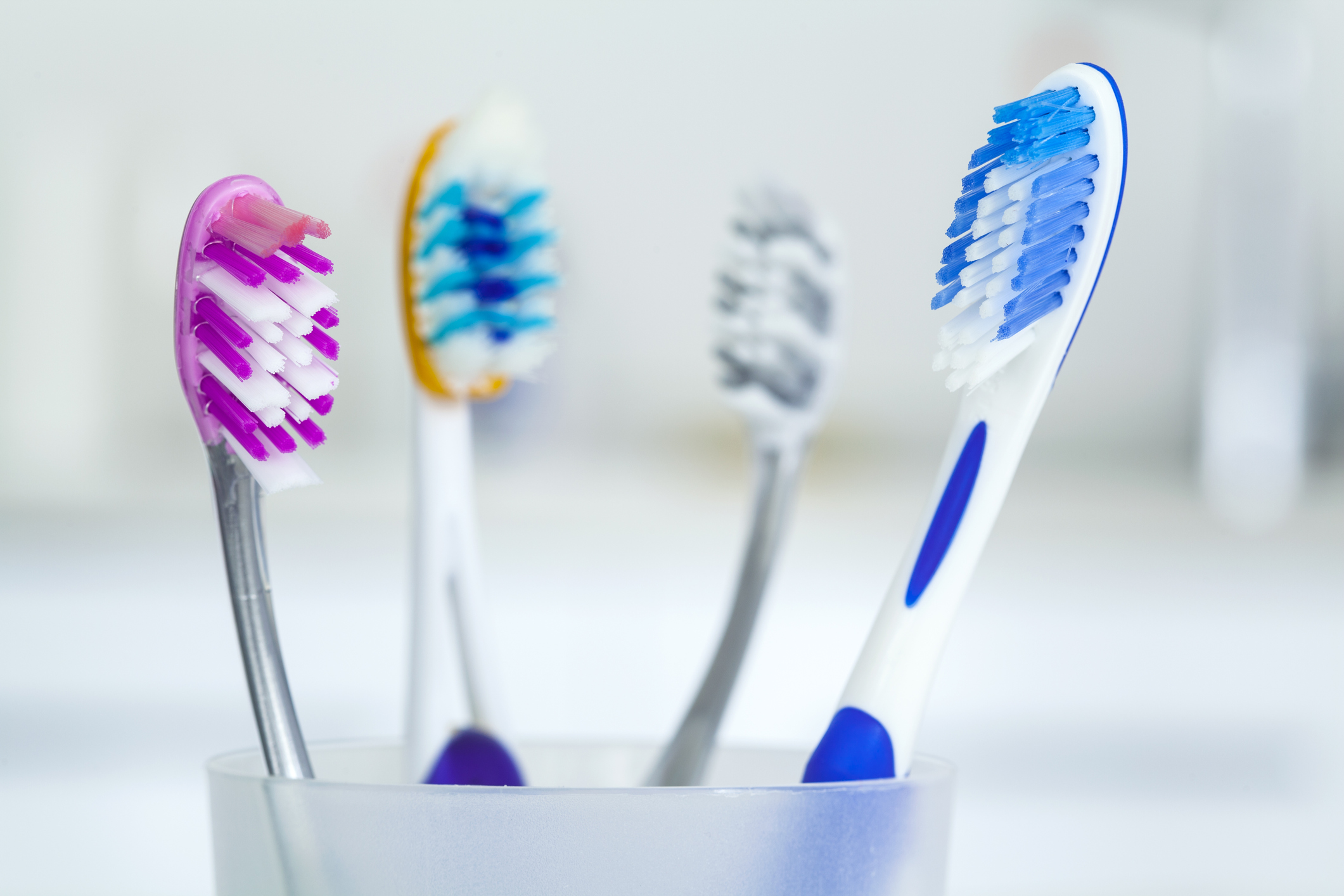
There are so many toothbrushes in the market. Ever wondered which one is for you? In reality, any toothbrush you feel comfortable works well.

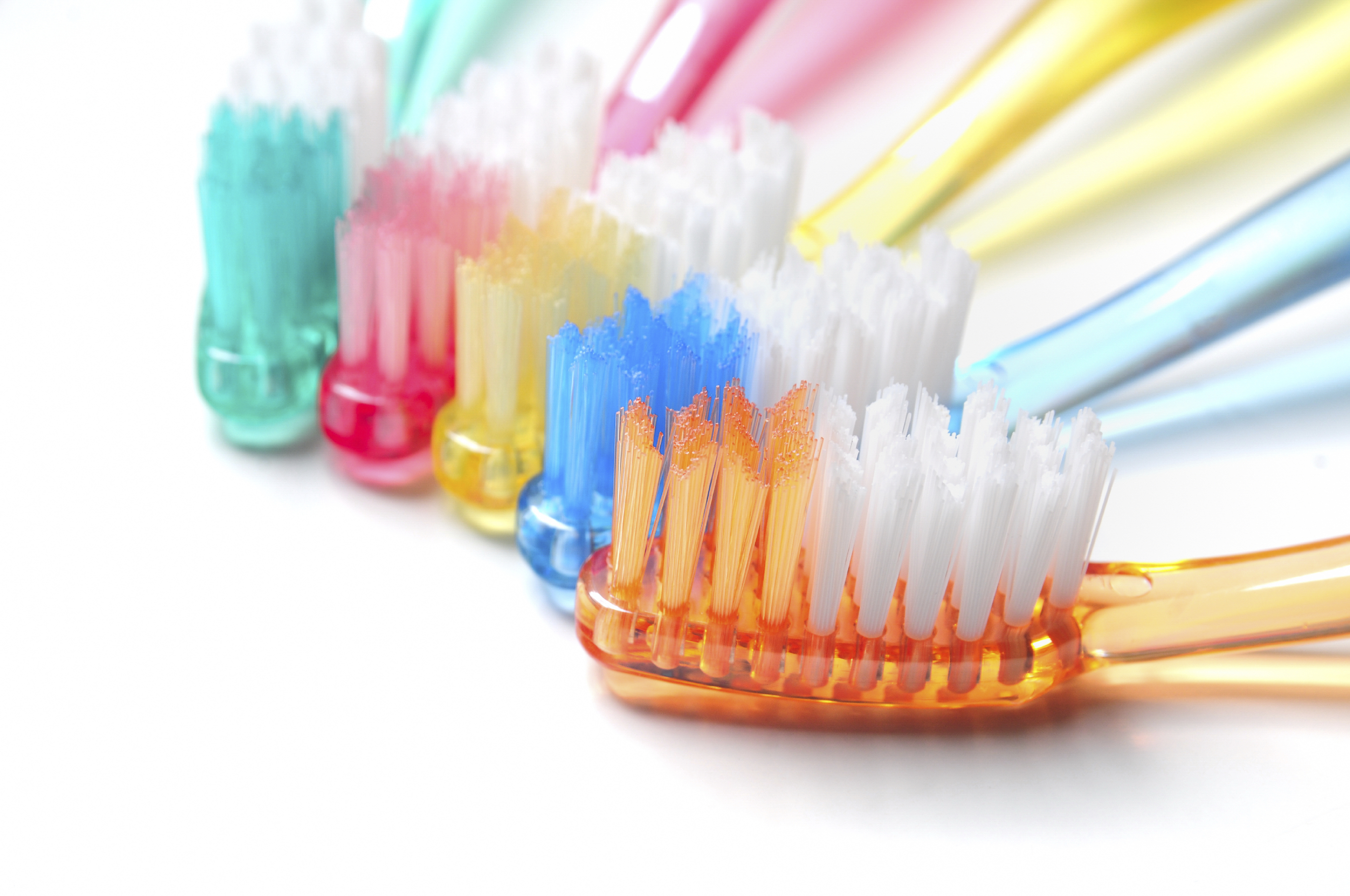
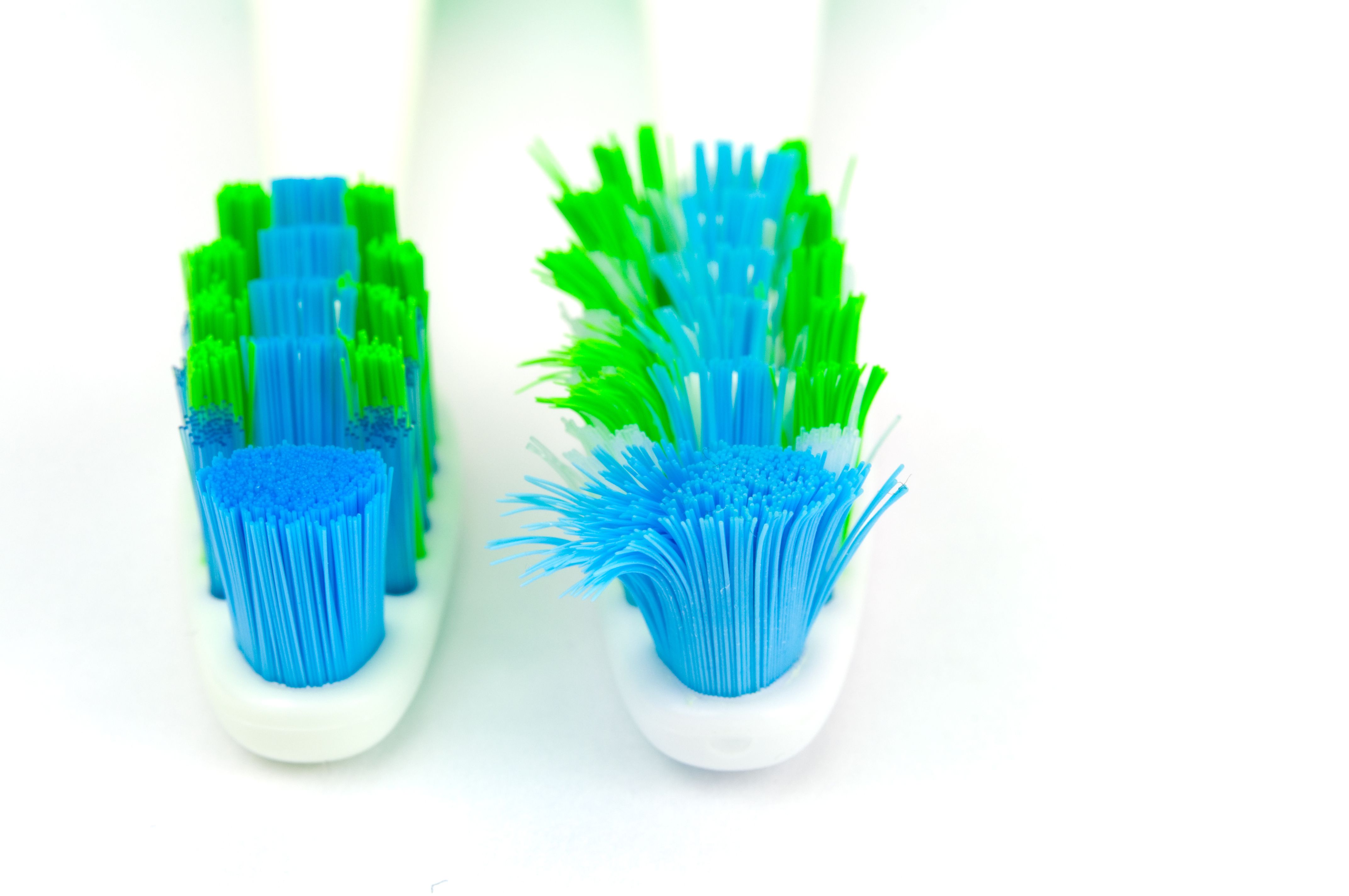
To start with, select a toothbrush head size that easily fits into your mouth and can brush 1-2 teeth at a time. Any toothbrush you choose should have soft but firm bristles. Hard bristles may cause gum tissue to recede causing sensitivity and discomfort.


tooth brush sizes

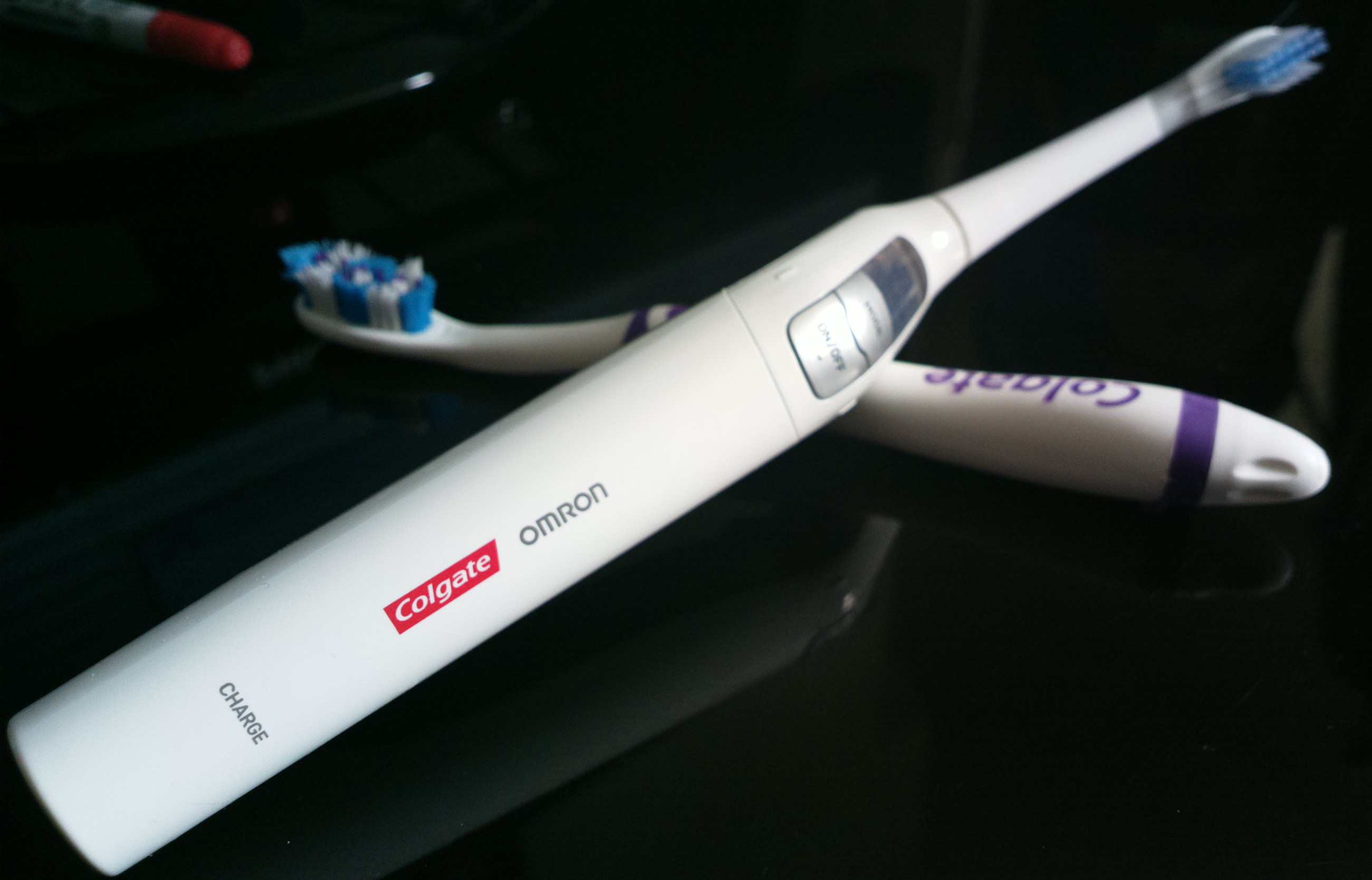
Powered electrical brushes are becoming popular. Research shows that they are not superior in action to manual brushing. However, you may be motivated to clean your teeth more often and for the required length of time. For people with uneven teeth or those that need assistance due to limited mobility of their fingers, powered toothbrushes are most useful. At the end of the day, it is your choice. Choose whatever gives you a better result.


electric brushes


Blog

Brushing Blues

You may be one of those who takes excellent care of your teeth. Your mother has been responsible for instilling this good habit. Brush regularly as properly, she said. You have taken her advice and now your routine is set. You brush as well as you can using the best marketed toothbrush and as often as three times a day.
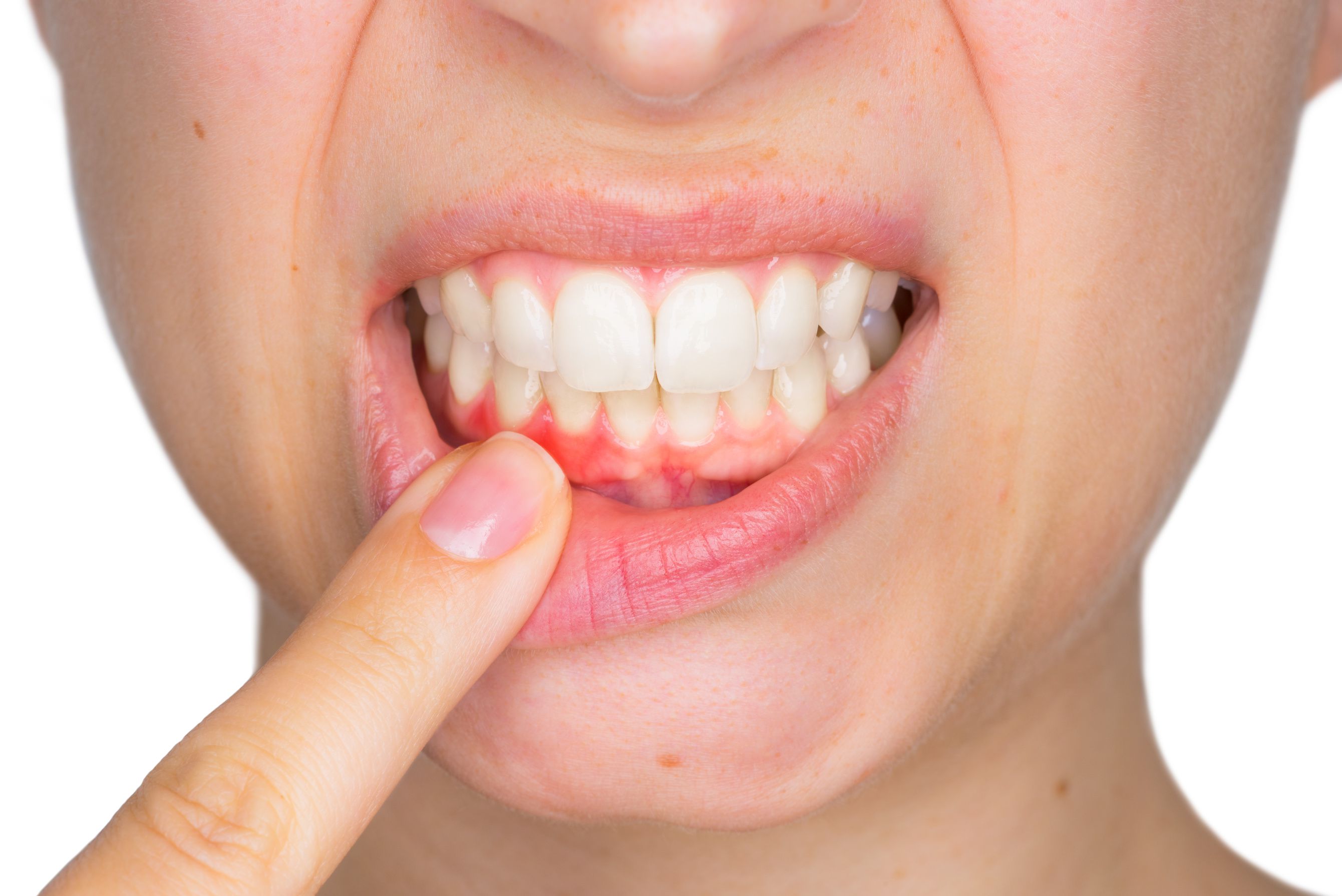
Yet, one morning, you get a nasty shock. Peering into the bathroom mirror, you see that the gum line over some teeth has receded. Not only that, there is a groove at the gum line which is so sensitive to the touch.

What could have gone wrong?
Gum recession most often happens due to plaque and tartar accumulation, but with all the care that you have taken, that is probably not the reason.
Ironically, the cause could be too much care. Let me explain. Brushing for longer than a minute and a half and too frequently with an abrasive technique could be damaging. Heavy prolonged pressure applied with the bristles moving back and forth can cause the enamel to wear away and the gum to recede. Caution is to be exercised.
We recommend that brushing should be done first thing in the morning on waking up and in the night after dinner. A short headed brush with soft to medium bristles will help to reach the back teeth effectively.
Change your brush every 2 months. Worn out toothbrushes can also irritate the gums.

The technique? Hold the brush at a 45 degree angle to the gum line, apply light pressure and a slight circular motion.
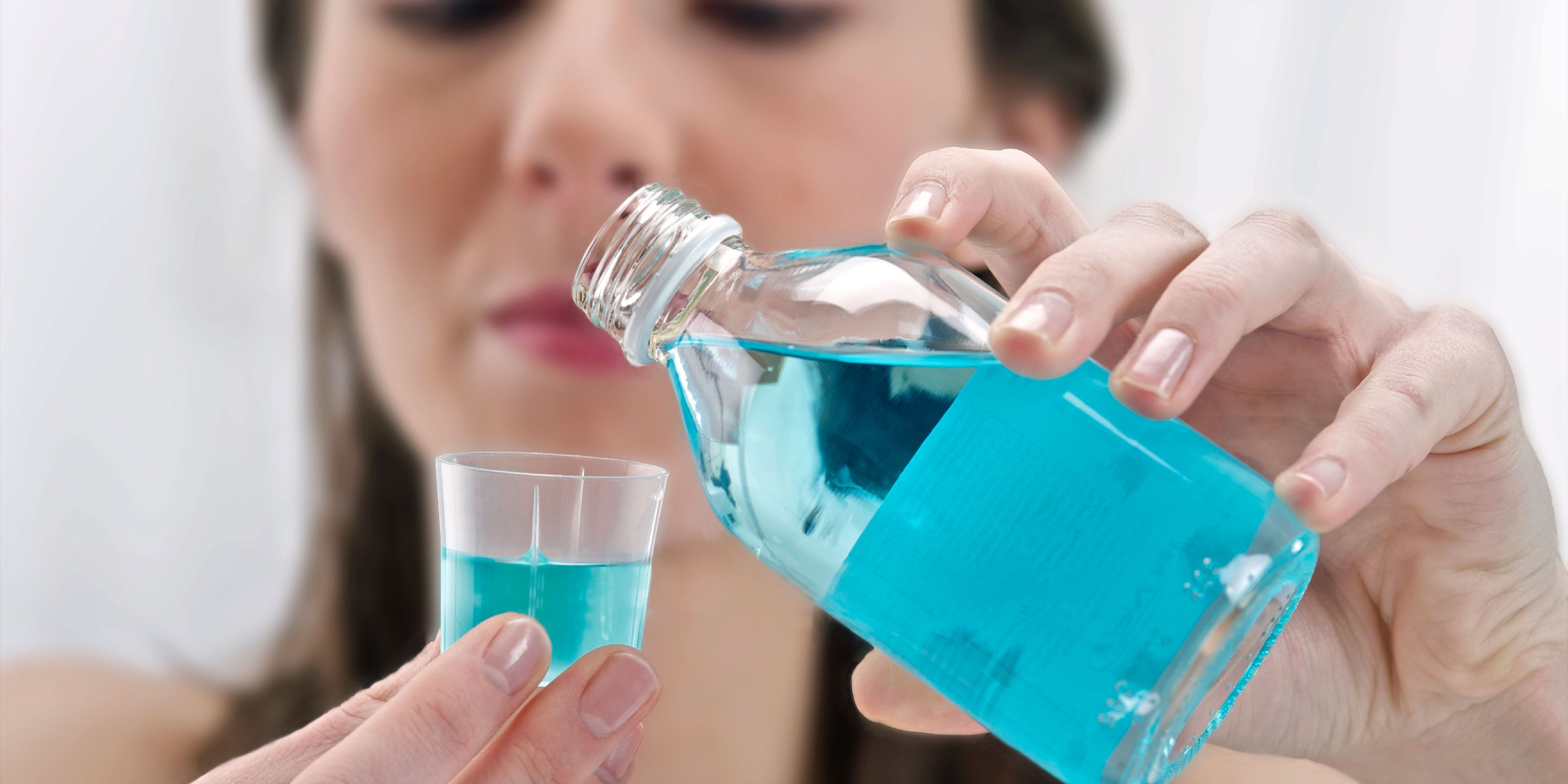
During the day if you want to feel fresh after eating, use any over- the- counter alcohol free mouthwash such as Colgate Plax. Chewing on a wad of sugar-free gum for 2-3 minutes after your mid day meal is also a good idea.

Remember that the delicate gums and teeth need gentle care. They are meant to last a lifetime. Your dentist will be happy to show you how to achieve this through illustrations, videos and take you through the correct brushing method. You just have to ask!

Blog

Help for that Gap !

Madonna, Eddie Murphy and Omar Sharif sport big gaps in their teeth giving them a distinctive, unique look.

Are gaps for everyone? True, gaps between the front teeth may look cool on a few but for most people they are a source of concern and embarrassment.
Gaps can occur anywhere in the mouth but they are most visible in the front teeth.
What causes tooth gaps?
Tooth gaps can occur if the jaws are too wide and the teeth size too small. This is usually a hereditary factor. Habits like nail or lip biting, or pressing against the teeth can cause spaces to open up. Missing teeth even in the back of the mouth can lead to gaps because of the tendency of the remaining teeth to shift.
A small muscle attachment under the lip connected to the gums between teeth called the frenum can create a pull causing the teeth to spread apart. This can be corrected by a simple laser procedure.
Apart from the appearance, gaps can affect speech. A lisp, and difficulty in pronouncing certain words can also be a problem. Food also accumulates in these gaps and they need to be frequently cleaned out.
Gaps often close spontaneously at a young age when all the permanent teeth finally erupt into the jaw especially the canine teeth. This may need to be done in conjunction with orthodontic appliances. Thus braces are also the answer to correct habits and guide the teeth into their proper position.
Small gaps, otherwise untreatable, can be closed with tooth coloured composite resin which is attached by a bonding procedure to the tooth.
Till gaps become a fashion statement, we will have to deal with the everyday problems and esthetic challenges of a gap between the front teeth. Your smile will then light up your face and up your style quotient…

Blog

Calcium and your Teeth

There is a belief that Calcium and Calcium supplements are good for your teeth. 

Milk and dairy products such as cheese are rich in calcium. They contain fatty acids, proteins, and phosphates that have decay-fighting properties. However, there is no proof that by increasing the dietary Intake of these foods it will strengthen the teeth further against tooth decay. 


Calcium supplements taken after gum surgery or extractions may aid the body in its healing. 

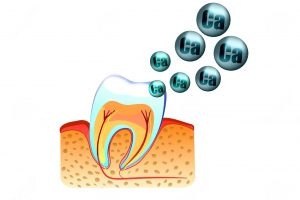
Yet, the role of calcium is in the ‘remineralisation’. This is a process by which Calcium and Phosphate are reincorporated into the weakened area that has been attacked by tooth decay. This is dependent on Calcium ions which are present in the saliva.


A renowned company markets a toothpaste which attaches itself to the calcium in the saliva and deposits it on the tooth thereby strengthening it.

The balance of calcium on the tooth is not understood very clearly. 

Just maintain a good oral hygiene routine, cut down on sugary foods and have a calcium-rich balanced diet. You will be well fortified against bacterial invaders of your precious pearlies! 

Blog

There’s been a small accident….

Your 12-year-old son has charged his way down the staircase, 2 steps at a time and trips on the last one, landing on his face.

Just a minor bruise, but his front permanent incisor has neatly flown out of his mouth and landed on the floor.

Different scenarios, an accident, a fight or in sports – see the loss of a tooth. In about 90% of the cases, the tooth can be re-implanted if you reach the dentist within 30 minutes. How should you preserve the fallen tooth? The tooth should not be rinsed to remove dirt or placed in gauze or on ice. The outer cells need to be kept alive to help it in re-attaching to the bone.

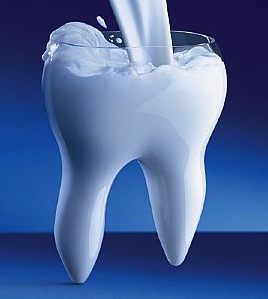
The best way is to just drop the tooth into a container of milk or saline solution and taken as soon as possible to the dentist.

Remember, speed is the essence here. The faster you get to the dentist, the better!

Blog

What’s a tooth post?

When you have to get a crown for your tooth the dentist says you need a ‘post’.

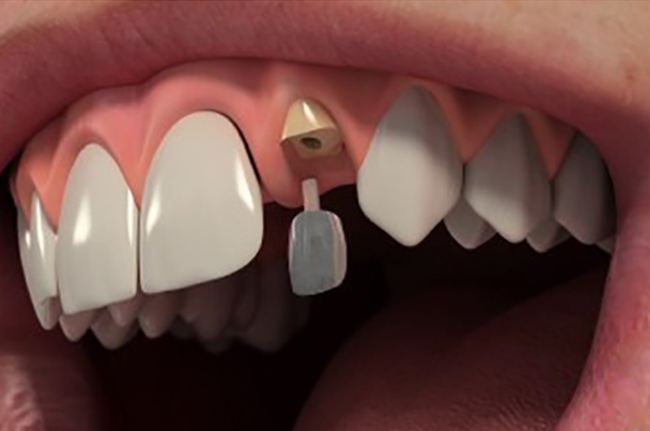
Posts are small pillar-like structures meant to strengthen your tooth before capping.

Badly broken down or damaged teeth need root canal treatment. Such teeth are weak structurally and brittle and cannot support a cap unless strengthened. A ‘post’ made of metal of fiber is inserted into the treated root and strong core composite resin is packed. Quite like reinforcing concrete.

The core of the tooth is made into a solid, strong structure which can take the load of chewing when it is capped.

Posts are a bit more laborious during the clinical procedure but well worth the effort. It ensures the longevity of the crown on your tooth!