Beware of what you bite! People who bite their fingernails when stressed, chew on a pencil when nervous or clench their jaw during activities such as playing sports, working out at the gym or sleeping (night grinding) could be placing their teeth at a great risk of being worn down. These unnatural chewing or biting forces can wear down teeth quite fast and puts stress on your teeth which can cause them to misalign or even fracture in some cases. It is better to put an end to this before it becomes a habit. Visit our clinic to get the best solutions to protect your teeth.
Are you thinking of removing your tooth to avoid Root Canal treatment?
Are you thinking of removing your tooth to avoid Root Canal treatment? When teeth are extracted and not replaced, teeth near the empty spaces begin to shift. This can affect your chewing ability, cause your mouth to sink in and your face to change appearance, and allow plaque to build up more easily. Make an appointment with us to get the best treatment for root canal and other dental problems.
Symptoms of Cavity developement
Make an appointment with us if you are experiencing the symptoms of developing a cavity!
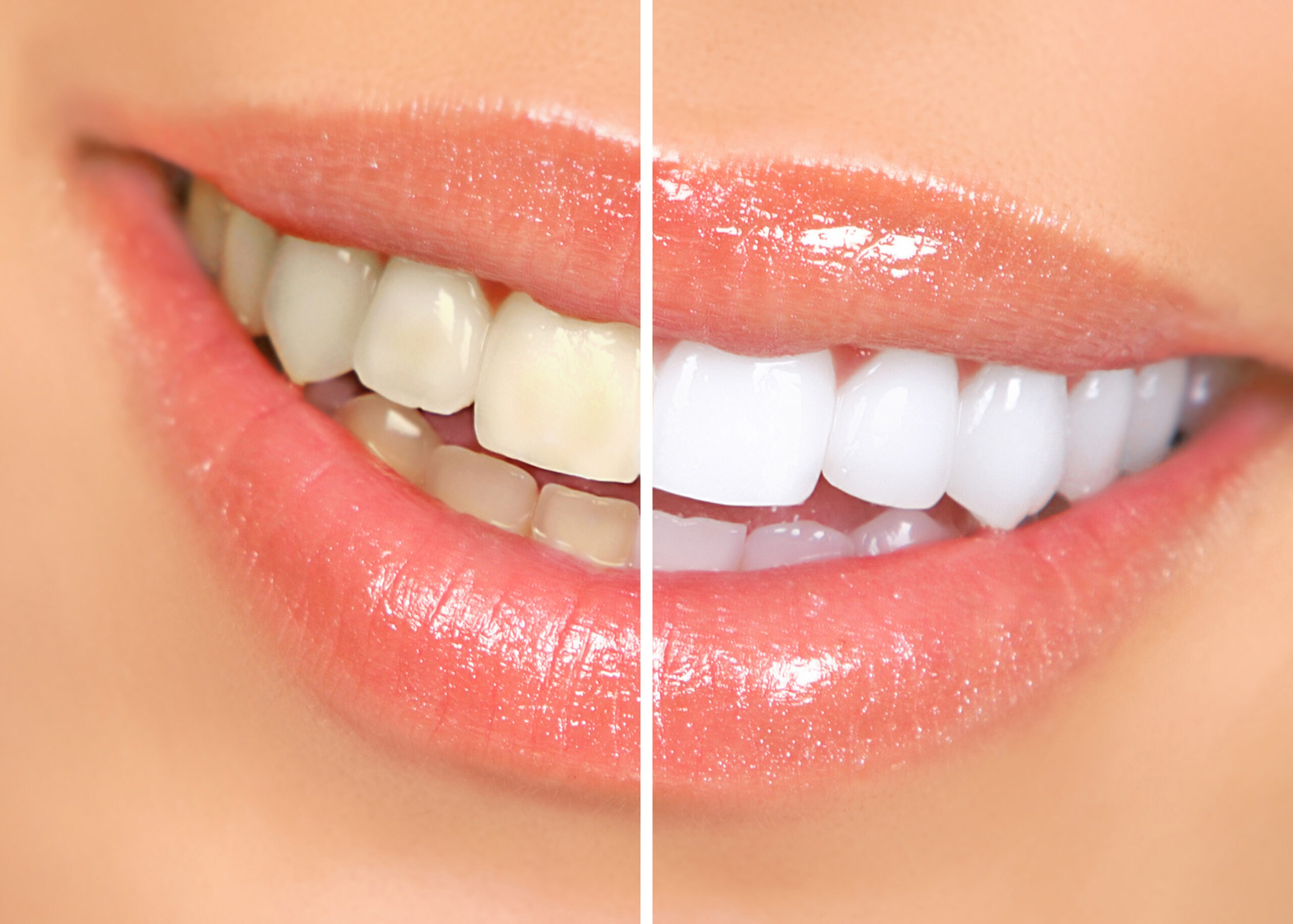
How do you protect your newly bleached, bonded, crowned or veneered teeth
How do you protect your newly bleached, bonded, crowned or veneered teeth from getting stained? Any teeth, even cosmetically treated ones can be stained by tobacco and certain foods and drinks. Veneers and crowns are generally more resistant to stain than bleached or bonded teeth. To avoid stains, avoid tobacco products, coffee, tea, red wine and heavily colored foods. Use a straw when feasible to avoid direct contact of potentially staining liquids to your teeth. Visit our clinic to consult with our team about stain prevention methods.

Usage of straw to protect your teeth
Are you a person who always has a straw handy for any occasion? Using a drinking straw can help protect your teeth against staining that happens from long term exposure to dark-colored foods and drinks. Using a straw means you avoid constant and direct contact with the front of your teeth.This leads to reduced exposure which means less chance for bacteria and sugary substances to stick to your teeth and potentially cause erosion. Make an appointment with us and discover methods to reduce the formation of bacteria in your teeth.

What is the right way to brush your teeth?
How long should you really brush your teeth? You may have learned growing up that you should brush your teeth for at least two minutes. But if you’ve been using that as your only benchmark for brushing, it may be time to adjust your habits. The truth is, you need to brush your teeth in a way that ensures that all the surfaces of your teeth have been reached and cleaned by the toothbrush. After you brush your teeth, it’s important to floss to make sure you clean in between teeth. Also, try to avoid brushing your teeth for a half hour after drinking anything acidic like citrus juices or carbonated beverages. Visit our clinic and talk to our dentists to learn about proper brushing technique today.
What is Tartar?
About 1 person in 10 has a tendency to accumulate tartar quickly. Tartar is plaque in a hardened form that is more damaging and difficult to remove. Using anti-tartar toothpastes and mouthwashes, as well as spending extra time brushing the teeth near the salivary glands may reduce tartar formation. Visit our clinic to learn more.

Consequences of Missing Teeth
If you have lost any of your teeth, you no doubt realize there are consequences to living without them: Your smile may not look the way you want it to; eating and speaking become more difficult; and your self-confidence may fade. Having missing teeth in your mouth also has consequences on your other teeth, as teeth have a tendency to drift into the missing space, either from the opposite jaw or from the same jaw. Make an appointment with us to know the multitude of options available at our clinic.

What are the foods that cause bad breath?
How does what you eat affect your breath? All the food we eat begins to be broken down in our mouths. As foods are digested and absorbed into the bloodstream, they are eventually carried to your lungs and given off in your breath. If you eat foods with strong odors (such as garlic or onions), brushing and flossing or even mouthwash merely covers up the oudor temporarily. Make an appointment with us to learn more about the diseases and foods that might be associated with bad breath and also ways to prevent bad breath

Why is Water good for Dental Health?
Why is water good for dental health? Water can help clean your teeth and wash away foods and liquids that can damage your teeth. It’s not a replacement for brushing and flossing, but it can definitely help. Studies say that water helps prevent bad breath as it prevents bacteria from thriving in your mouth and causing bad odour. Make an appointment with us to learn more about the foods and drinks that help you maintain your dental health.