
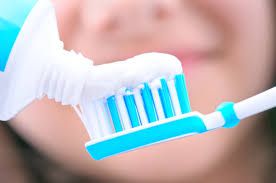
You may be one of those who takes excellent care of your teeth. Your mother has been responsible for instilling this good habit. Brush regularly as properly, she said. You have taken her advice and now your routine is set. You brush as well as you can using the best marketed toothbrush and as often as three times a day.
Yet, one morning, you get a nasty shock. Peering into the bathroom mirror, you see that the gum line over some teeth has receded. Not only that, there is a groove at the gum line which is so sensitive to the touch.
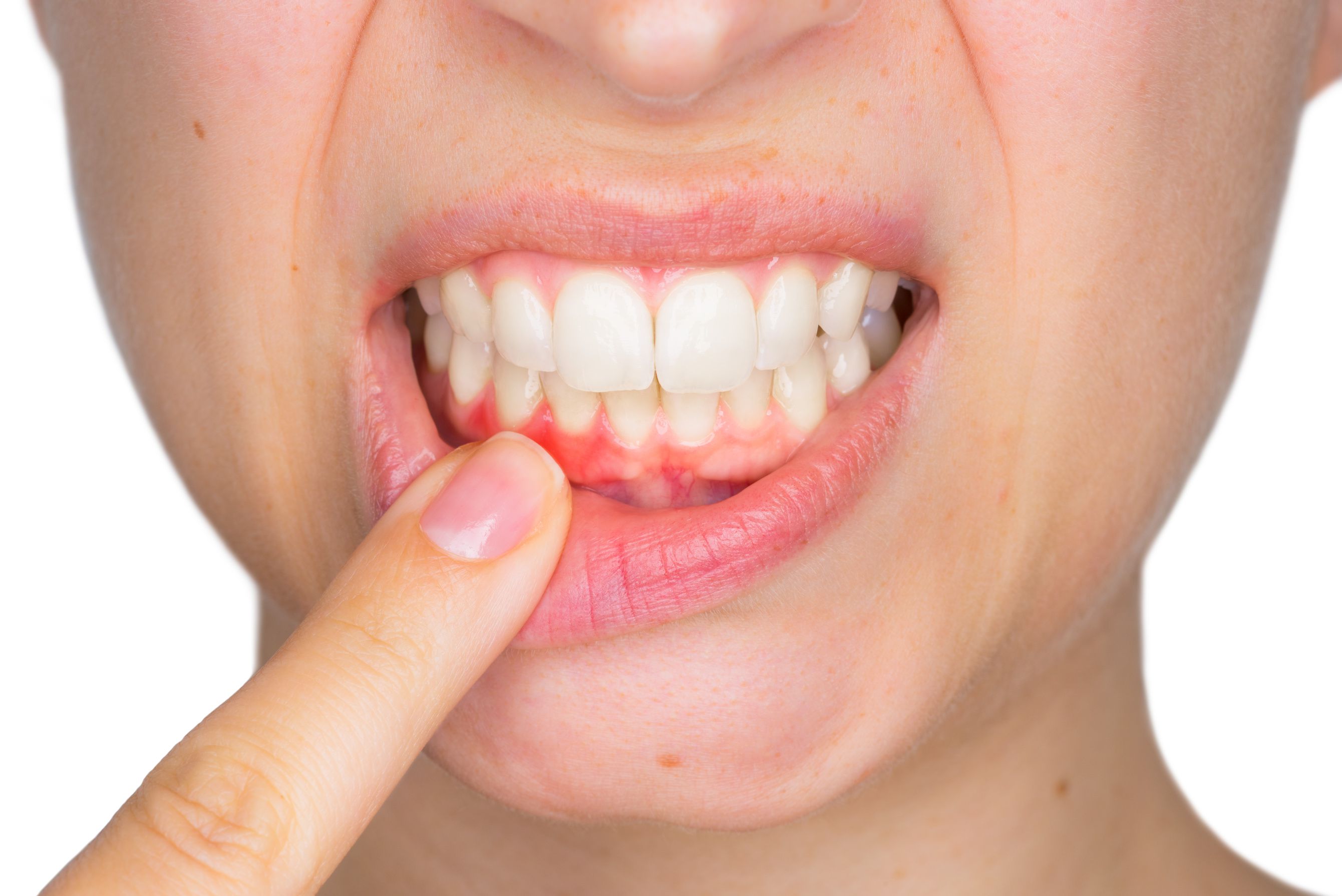
What could have gone wrong?
Gum recession most often happens due to plaque and tartar accumulation, but with all the care that you have taken, that is probably not the reason.
Ironically, the cause could be too much care. Let me explain. Brushing for longer than a minute and a half and too frequently with an abrasive technique could be damaging. Heavy prolonged pressure applied with the bristles moving back and forth can cause the enamel to wear away and the gum to recede. Caution is to be exercised.
We recommend that brushing should be done first thing in the morning on waking up and in the night after dinner. A short headed brush with soft to medium bristles will help to reach the back teeth effectively.
Change your brush every 2 months. Worn out toothbrushes can also irritate the gums.

The technique? Hold the brush at a 45 degree angle to the gum line, apply light pressure and a slight circular motion.
During the day if you want to feel fresh after eating, use any over- the- counter alcohol free mouthwash such as Colgate Plax. Chewing on a wad of sugar-free gum for 2-3 minutes after your mid day meal is also a good idea.

Remember that the delicate gums and teeth need gentle care. They are meant to last a lifetime. Your dentist will be happy to show you how to achieve this through illustrations, videos and take you through the correct brushing method. You just have to ask!