Blog

Help for that Gap !

Madonna, Eddie Murphy and Omar Sharif sport big gaps in their teeth giving them a distinctive, unique look.


Are gaps for everyone? True, gaps between the front teeth may look cool on a few but for most people they are a source of concern and embarrassment.
Gaps can occur anywhere in the mouth but they are most visible in the front teeth.
What causes tooth gaps?
Tooth gaps can occur if the jaws are too wide and the teeth size too small. This is usually a hereditary factor. Habits like nail or lip biting, or pressing against the teeth can cause spaces to open up. Missing teeth even in the back of the mouth can lead to gaps because of the tendency of the remaining teeth to shift.
A small muscle attachment under the lip connected to the gums between teeth called the frenum can create a pull causing the teeth to spread apart. This can be corrected by a simple laser procedure.
Apart from the appearance, gaps can affect speech. A lisp, and difficulty in pronouncing certain words can also be a problem. Food also accumulates in these gaps and they need to be frequently cleaned out.
Gaps often close spontaneously at a young age when all the permanent teeth finally erupt into the jaw especially the canine teeth. This may need to be done in conjunction with orthodontic appliances. Thus braces are also the answer to correct habits and guide the teeth into their proper position.
Small gaps, otherwise untreatable, can be closed with tooth coloured composite resin which is attached by a bonding procedure to the tooth.
Till gaps become a fashion statement, we will have to deal with the everyday problems and esthetic challenges of a gap between the front teeth. Your smile will then light up your face and up your style quotient…

Blog

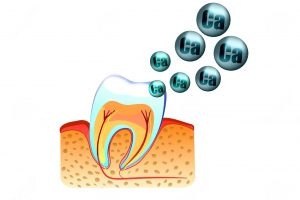
Calcium and your Teeth

There is a belief that Calcium and Calcium supplements are good for your teeth. 

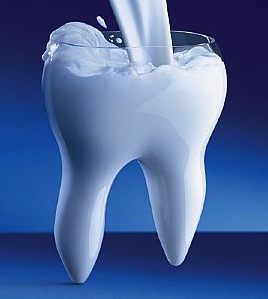
Milk and dairy products such as cheese are rich in calcium. They contain fatty acids, proteins, and phosphates that have decay-fighting properties. However, there is no proof that by increasing the dietary Intake of these foods it will strengthen the teeth further against tooth decay. 


Calcium supplements taken after gum surgery or extractions may aid the body in its healing. 

Yet, the role of calcium is in the ‘remineralisation’. This is a process by which Calcium and Phosphate are reincorporated into the weakened area that has been attacked by tooth decay. This is dependent on Calcium ions which are present in the saliva.


A renowned company markets a toothpaste which attaches itself to the calcium in the saliva and deposits it on the tooth thereby strengthening it.

The balance of calcium on the tooth is not understood very clearly. 

Just maintain a good oral hygiene routine, cut down on sugary foods and have a calcium-rich balanced diet. You will be well fortified against bacterial invaders of your precious pearlies! 

Blog

There’s been a small accident….

Your 12-year-old son has charged his way down the staircase, 2 steps at a time and trips on the last one, landing on his face.

Just a minor bruise, but his front permanent incisor has neatly flown out of his mouth and landed on the floor.

Different scenarios, an accident, a fight or in sports – see the loss of a tooth. In about 90% of the cases, the tooth can be re-implanted if you reach the dentist within 30 minutes. How should you preserve the fallen tooth? The tooth should not be rinsed to remove dirt or placed in gauze or on ice. The outer cells need to be kept alive to help it in re-attaching to the bone.

The best way is to just drop the tooth into a container of milk or saline solution and taken as soon as possible to the dentist.

Remember, speed is the essence here. The faster you get to the dentist, the better!

Blog

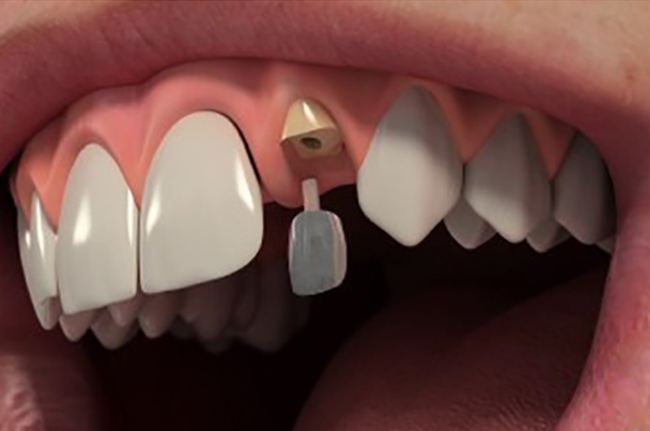
What’s a tooth post?

When you have to get a crown for your tooth the dentist says you need a ‘post’.

Posts are small pillar-like structures meant to strengthen your tooth before capping.

Badly broken down or damaged teeth need root canal treatment. Such teeth are weak structurally and brittle and cannot support a cap unless strengthened. A ‘post’ made of metal of fiber is inserted into the treated root and strong core composite resin is packed. Quite like reinforcing concrete.

The core of the tooth is made into a solid, strong structure which can take the load of chewing when it is capped.

Posts are a bit more laborious during the clinical procedure but well worth the effort. It ensures the longevity of the crown on your tooth!


Blog

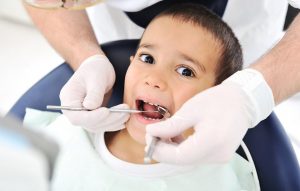
Paediatric dentistry guidelines for parents

Children’s first (milk) teeth are important because, apart from being needed for chewing and speaking, they help to maintain space for permanent teeth, developing underneath them in the jaws.

If the milk teeth are well looked after, then it is more likely that the second (permanent) teeth will grow into their correct position.

DID YOU KNOW?

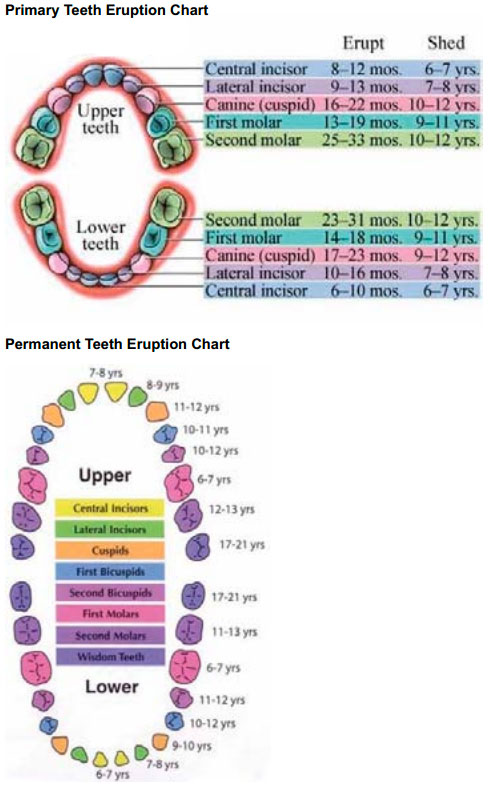
Babies in utero have about 20 teeth already developing. Children’s teeth begin forming before birth. As early as 4 but usually 6-7 months, the first milk teeth to erupt are the lower central incisors. Although 20 milk teeth appear by the age of 3, the pace and order of their eruption varies.

The first permanent tooth is usually one of the four six-year-molars – so named because they appear around age 6. Molars are important because they help shape the lower part of the child’s face as well as affect the position of the other permanent teeth.


Chronology of teeth eruption

A WORD OF CAUTION:

An important dentistry guide for parents is, the 6-year permanent molars are often mistaken as milk teeth and neglected.

Permanent second molars usually appear around age 12. At that time, your child will have a complete set of teeth except for the wisdom teeth or third molars which usually appear between age 17 and 25.

Special attention should be paid to your child’s teeth during the teen years, as most decay occurs during these years.

FREQUENTLY ASKED QUESTIONS:

When should I start taking care of my child’s teeth?

Parents must be aware of pediatric dentistry guidelines soon after the baby’s birth. Gums should be cleaned every day using a piece of wet gauze. Parents can begin brushing their child’s teeth as soon as they appear, using a super soft toothbrush and baby-friendly toothpaste. These are essential Paediatric Dentistry guidelines.

When should I take my child to see the Dentist?

Ideally, your child’s first dental visit to Acharya Dental should be by the first birthday. This can serve as a useful dentistry guide for parents. Our Paediatric Dentist (Child Specialist) will check for decay and other problems, teach you how to clean your child’s teeth and identify your child’s fluoride needs. By starting dental visits early, you’ll help your child build a lifetime of good dental habits.


Is teething painful?

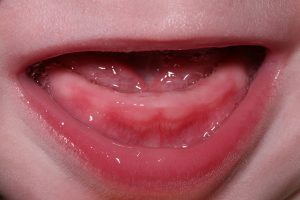
Yes. When babies are teething, they often have sore and tender gums. The pain usually can be soothed by gently rubbing the baby’s gums with a clean finger, a small, cool spoon or a wet gauze. Teethers can also be used. If your child has elevated temperature, it needs to be addressed as a separate medical concern.

Teething gums

Can babies get cavities?

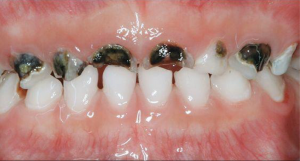
Yes. Even though they will eventually fall out, milk teeth can get cavities and may need to be treated. As soon as teeth appear in the mouth, decay can occur. One serious form of decay among young children is Baby Bottle Tooth Decay. Babies should not fall asleep with bottles in their mouths – the sugar in juices or milk formulas can cause tooth decay, leading to cavities, dental discomfort, and even tooth loss.

Baby Bottle Tooth Decay

When should thumb sucking stop?

Sucking is a natural behaviour for babies. Many infants begin sucking their thumbs within three months of birth. Children usually give up thumb sucking by age 4 or 5. Consult with the child specialist at Acharya Dental if this habit continues for longer.

Is it safe to use pacifiers?

Use of pacifiers during naps or night time might reduce the risk of Sudden Infant Death Syndrome (SIDS). The American Academy of Paediatrics, as per Paediatric Dentistry Guidelines, suggests weaning children off pacifiers between the age of 6 to 12 months. Neither habit generally poses a dental problem if it is discontinued before the child’s first permanent teeth erupt.

How can the Dentists protect your child’s teeth?

As a child’s permanent teeth erupt, the Dentists at Acharya Dental can prevent cavities from forming with the help of sealants and fluoride treatment. Our doctors can do a thorough examination of the child patients, which facilitates in being a vital dentistry guide for parents. Sealants are a safe, painless and a cost-effective way to help protect your child’s teeth from decay. Fluoride application is a single sitting procedure done once every six months to make the tooth structure stronger and prevents cavities. If a child is not comfortable, provisions are made to complete dental treatment under General Anaesthesia (GA).

Dr. Gunit Bindra

Blog

What is tooth erosion and is it dangerous?

What is tooth erosion? What causes tooth erosion?

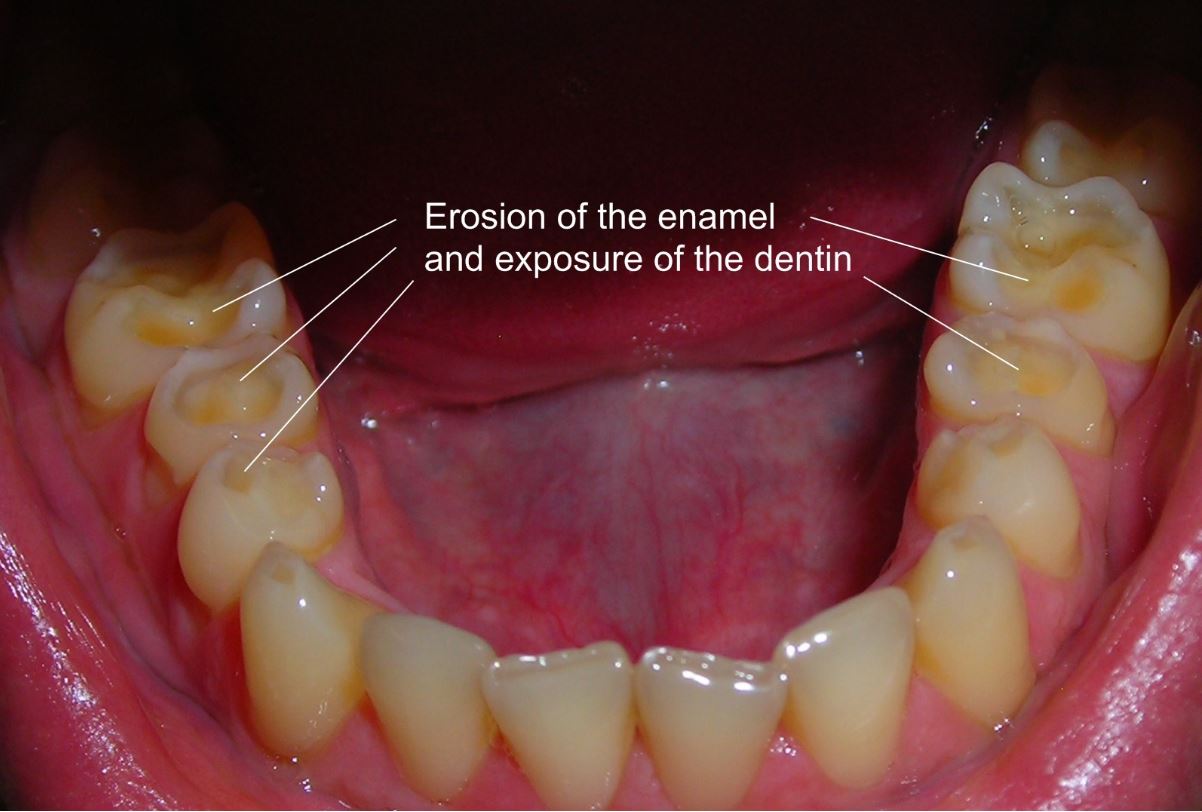
The enamel on teeth can wear away due to a variety of reasons. When tooth structure is removed or wears away as a result of chemicals, then this results in erosion of the teeth.

Tooth erosion on the biting surface of the teeth

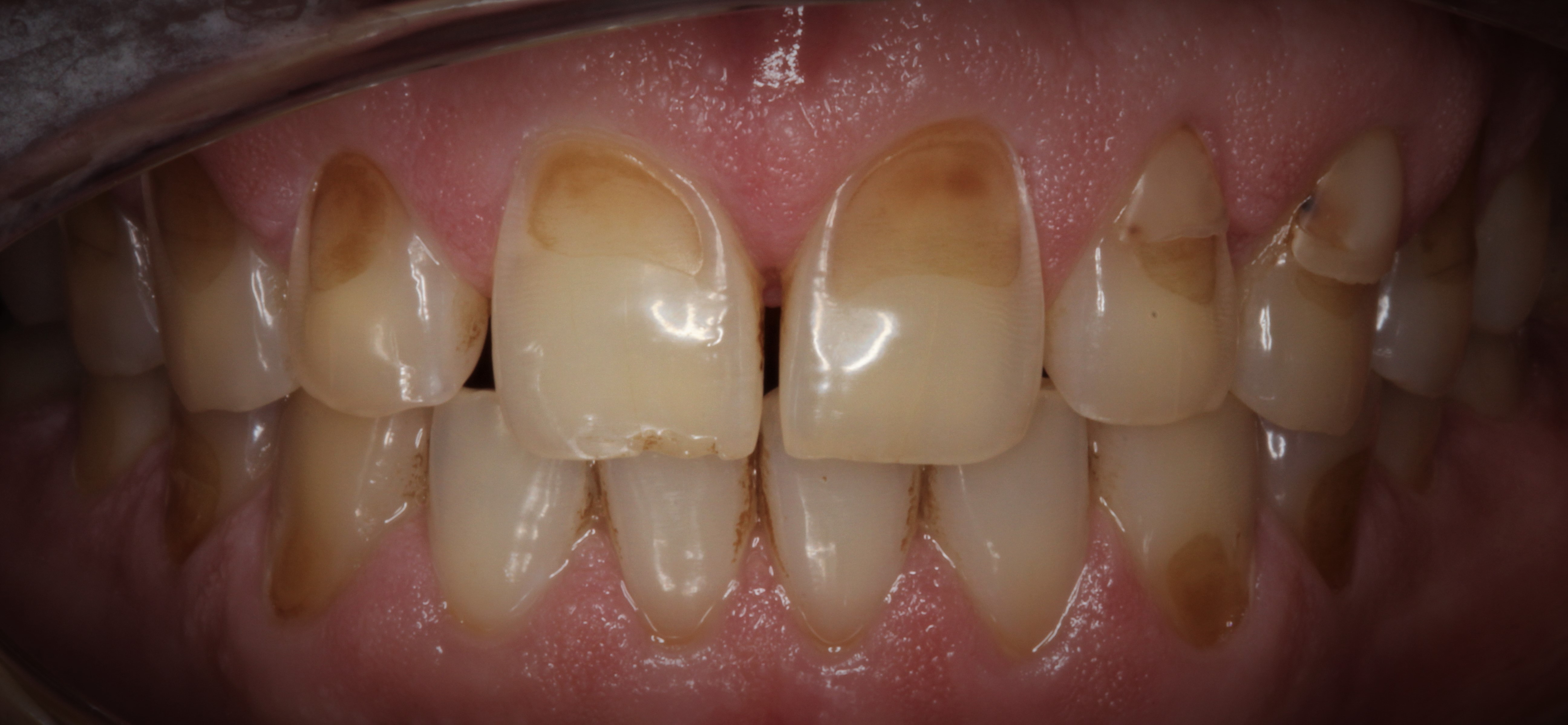
Tooth erosion on the front of the teeth

This erosion can take place due to consumption of a large quantity of citric acid, commonly found in orange and lemon juice. Erosion of this type will usually take place in the front of the teeth. Sometimes, erosion can also take place due to acidity. When a person suffering from acidity sleeps, the acids tend to come into the mouth when laying in a horizontal position causing erosion of the back of the teeth. Erosion of the back of the teeth can also happen to patients suffering from Bulimia.

Citric juices, when consumed excessively, contribute to tooth erosion

Presence of a dry mouth (xerostomia) can also lead to erosion of the teeth. Dry mouth can be caused due to a variety of reasons, but it is most commonly due to the long-term use of certain medications, insufficient water intake, damage to salivary glands by radiation, or blockage of salivary glands by any obstruction.

What are the signs of tooth erosion?

Erosion of the enamel will be diagnosed by the expert team at Acharya Dental quite quickly. However, signs of erosion to look out for are sensitivity and discoloration, cracks in the teeth, and indentations appearing on the surface of the teeth. If you feel that your teeth are being eroded, make an appointment for a consultation at Acharya Dental as soon as possible.

What are the effects of tooth erosion?

Erosion of the teeth usually leads to sensitivity. When the erosion is mild, the sensitivity may be minimal but can get worse as the process continues. Eventually, the tooth may need to undergo a root canal treatment to curb the sensitivity. Frequently, heavily eroded teeth require crowns (caps) to be placed on them to restore form, function, and esthetics. If the tooth is extremely worn out, a post will need to be used as well.

What kind of treatment can be done for tooth erosion?

Mild sensitivity can usually be treated with anti sensitive toothpaste. However, it is important to eliminate the cause of sensitivity to prevent the situation from progressing. It is best to avoid excessive intake of citric acid containing juices. It is also prudent to use a straw when drinking such juices to avoid further erosion of the front of the teeth. Persons suffering from acidity should consult a medical professional and obtain the appropriate medication to ensure that the acidity levels. Consumption of alcohol, nicotine, and caffeine can further worsen acidity, so these habits should be eliminated or reduced. People suffering from bulimia should seek appropriate medical and psychiatric counseling.

How can tooth erosion be prevented?

A good preventive measure is to use sugar-free chewing gum, containing xylitol, in between meals. Xylitol containing chewing gum helps to increase salivary flow, and also helps prevent cavities. Fluoride toothpaste help strengthen the teeth and make them more resistant to acid attack.

A useful physical barrier to reduce the harmful effects of chemicals on teeth is a night guard. A night guard is a simple, flexible, plastic tray that is custom made by your dentist to be placed on your teeth while asleep. This barrier will serve to reduce the acid exposure on the teeth, preventing the condition from worsening.

When tooth erosion is diagnosed early, it is not expensive to reverse or arrest the process. However, when diagnosed at a late stage, the cost can be substantial as it can involve root canal treatment, posts and crowns to restore the tooth back to its original form. Hence, the team at Acharya Dental advises six monthly check up appointments to ensure that your teeth are in great shape.

Blog

A BRAND NEW SMILE

Stacy had crowned her upper teeth several years ago, but now started noticing her lower teeth did not look very pleasing, especially in comparison to her upper teeth. In two quick appointments, our team of experts were able to make her lower teeth look like brand new, giving her a functional, aesthetic smile.

Blog

That Health History

You are at the dentist. Then why are you being asked to fill a Medical History Form?
Yes it seems tedious to fill that questionnaire but let’s look at the value.
We find that when we get an update on your health we are able to provide quality service that matches your needs. Your overall health influences dental treatment. Certain ailments that you may be suffering from and the medications you are on can be in conflict with the proposed treatment, or with the medications we prescribe.
For instance, if you have a cardiac condition and on blood thinners or if you are a diabetic, we need to be appraised of that prior to a dental extraction.
Therefore, keep yourself and your dentist posted on your health status. Safety First!

Blog

A HAPPY SMILE

Swathi* had been struggling for years doing “patchwork” dentistry. Her dental needs were never addressed comprehensively, and she came to us with a removable denture that she was not comfortable with. She was unable to chew properly. Our in house Prosthodontist formulated a treatment plan to treat Swathi comprehensively so that she could have a natural looking, functional result with no removable denture. End result? A happy smile!
Make an appointment with Acharya Dental for a comprehensive evaluation at Request an appointment
*Name changed.
Blog

BEWARE OF WHAT YOU BITE

People who bite their fingernails when stressed, chew on a pencil when nervous or clench their jaw during activities such as playing sports, working out at the gym or sleeping (night grinding) could be placing their teeth at a great risk of being worn down. These unnatural chewing or biting forces can wear down teeth quite fast and puts stress on your teeth which can cause them to misalign or even fracture in some cases. It is better to put an end to this before it becomes a habit. Visit www.acharyadental.com and make an appointment with us to get the best solutions to protect your teeth.